Specialty Colombian Coffee Flavors
Colombian coffee is a treasure in the world of specialty coffee. Known for its rich flavors, it captivates coffee lovers globally.
The unique taste of Colombian coffee comes from its diverse climate and geography. These factors create a perfect environment for growing high-quality coffee beans.
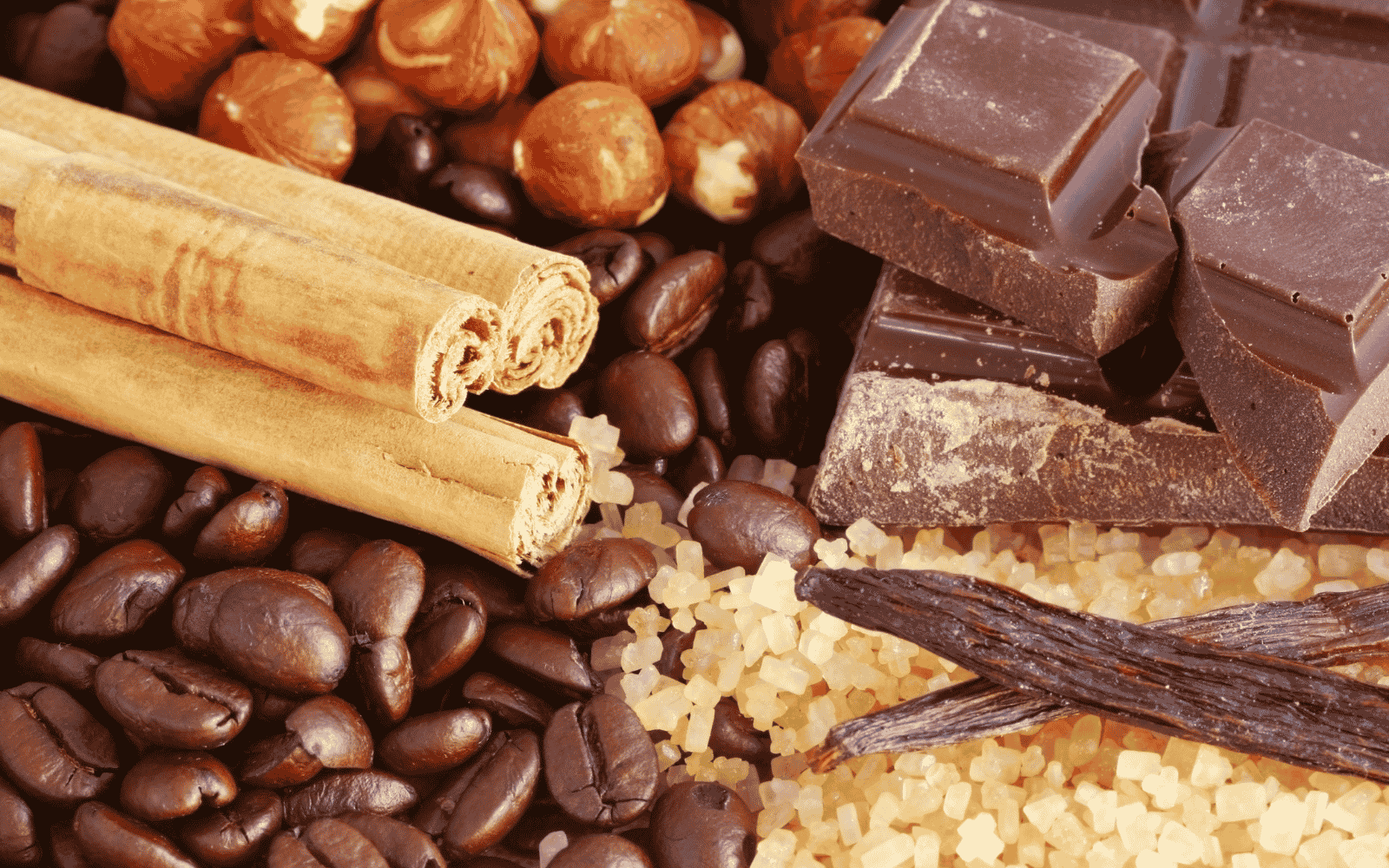
Colombian specialty coffee is celebrated for its notes of caramel, chocolate, and fruit. These flavors make it a favorite among coffee enthusiasts.
The coffee culture in Colombia is deeply rooted in tradition. It plays a significant role in the country's identity and economy.
Join us as we explore the rich flavors and cultural significance of Colombian specialty coffee. Discover what makes it truly special.
The Legacy of Colombian Coffee
Colombia's coffee legacy dates back to the 18th century. Over the years, it has become a global symbol of quality. The country is one of the largest producers of premium coffee beans.
The Colombian Coffee Growers Federation is vital in this legacy. They ensure quality and promote sustainable practices. Their efforts maintain Colombia's reputation on the world stage.
Colombian coffee is renowned for its rich heritage and cultural importance. Below are key factors contributing to its legacy:
-
High-altitude coffee farms
-
Diverse microclimates ideal for cultivation
-
Commitment to sustainability and fair trade
This legacy is more than just economic value. It represents Colombian pride, resilience, and a vibrant coffee culture.
What Makes Colombian Specialty Coffee Unique?
Colombian specialty coffee stands out for its distinct flavor profile. This unique taste results from Colombia's diverse geography and climate. Different regions offer varied altitudes, which influence flavor characteristics.
One key feature is its remarkable balance. Colombian coffee typically has a sweet, rich aroma and lively acidity. Most beans are Arabica, renowned for their quality and taste complexity.
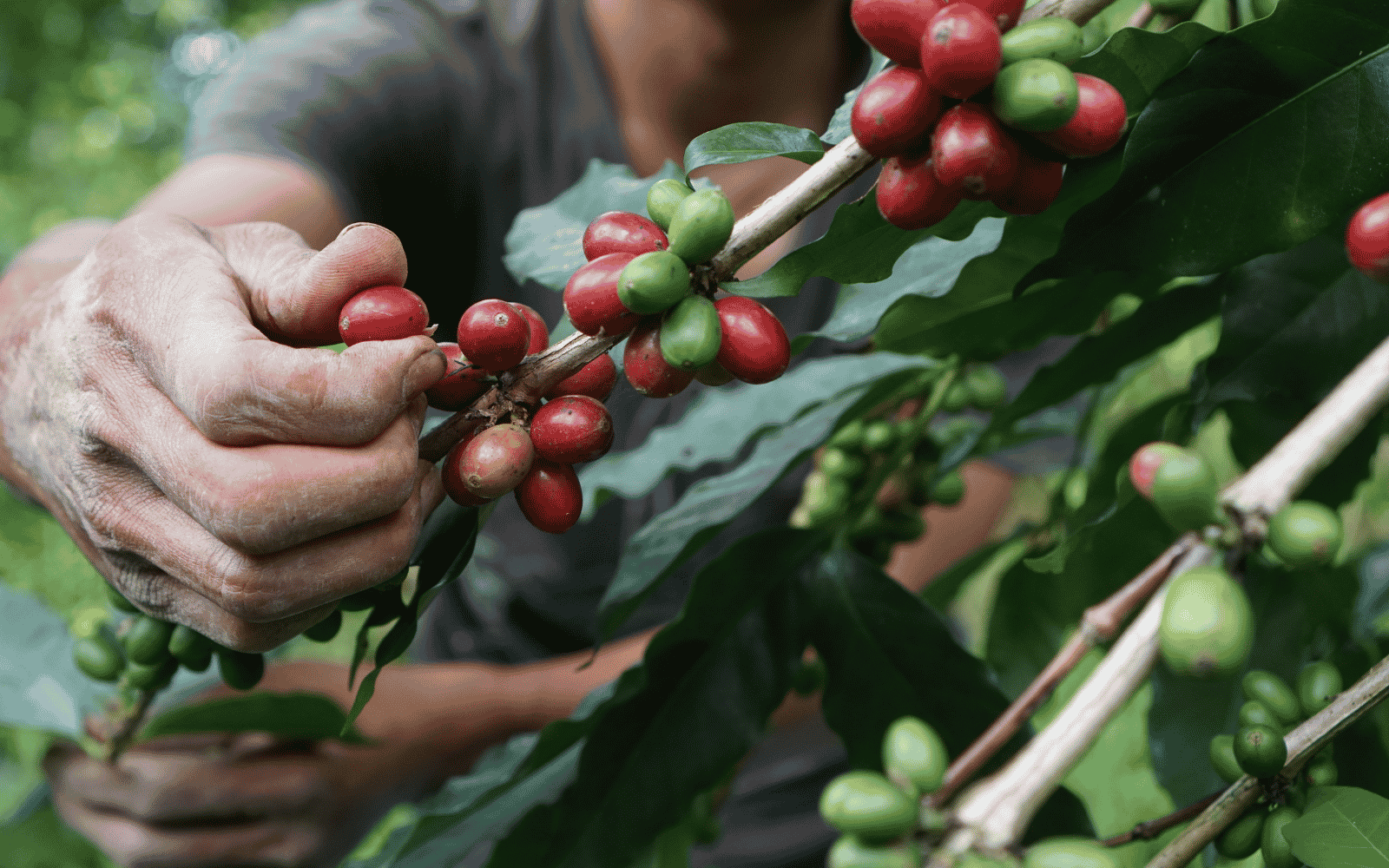
The meticulous bean selection process enhances this uniqueness. Farmers often hand-pick beans, ensuring only the ripest are chosen. This careful attention guarantees a high-quality product.
Below are attributes that contribute to its uniqueness:
-
Notes of caramel, chocolate, and fruit
-
Medium body with bright acidity
-
Wet processing enhancing clean taste
Colombian specialty coffee is a top choice for coffee lovers worldwide. Its unique flavors and quality make it exceptional among coffee beans.
Coffee Growing Regions in Colombia
Colombian coffee owes its rich flavors to diverse growing regions. Each region has its own distinct characteristics and climate. These differences lead to varied coffee profiles that captivate global coffee enthusiasts.
The Coffee Triangle is Colombia’s most famous coffee-growing area. It includes Caldas, Quindío, and Risaralda. Coffee from this region often boasts balanced flavors and a subtle sweetness.
Besides the Coffee Triangle, other notable regions include:
-
Huila: Known for its bright acidity and fruity notes
-
Nariño: Offers complex flavors due to high-altitude growth
-
Antioquia: Provides smooth, mild-bodied coffee
Each region contributes to the overall richness of Colombian specialty coffee. Exploring these regions gives insight into the diversity of Colombian beans. Each cup tells a story of its origin's unique terrain and climate.
The Journey from Bean to Cup: Production and Processing
The journey of Colombian specialty coffee from bean to cup is a meticulous process. It starts with the selection of high-quality Arabica coffee plants. These plants thrive in Colombia's ideal coffee-growing conditions.
Harvesting is a critical step in maintaining quality. Colombian coffee is often hand-picked, ensuring that only the ripest coffee cherries are chosen. This labor-intensive method guarantees the best beans for specialty coffee.
After harvesting, the coffee cherries undergo processing. Most Colombian coffee is wet-processed, which enhances its bright acidity and clean taste. This method involves:
-
Pulping the cherries to remove the outer layer
-
Fermenting to eliminate the mucilage
-
Washing and drying the beans
This careful attention to detail in every step results in the distinctive flavors of Colombian specialty coffee. Every cup reflects this intricate journey, bringing the essence of Colombia into your hands.
Flavor Profiles and Tasting Notes
Colombian specialty coffee is renowned for its rich and diverse flavor profiles. Each cup reveals a unique harmony of sweetness, acidity, and aroma. Coffee enthusiasts often describe it as smooth and velvety, a sensory delight with every sip
The tasting notes for Colombian coffee often include:
-
Caramel and chocolate undertones
-
Fruity hints, like citrus or berries
-
Bright, lively acidity
These flavors vary based on the region and specific growing conditions. The high altitudes and microclimates in Colombia contribute to the complexity of the beans. This makes Colombian coffee an exciting choice for those who appreciate nuanced and balanced flavors. Every brew offers something new to discover.
Colombian Coffee Culture and Traditions
Colombian coffee culture is rich with tradition and pride. Coffee isn't just a beverage here; it's a way of life. The deep-rooted customs surrounding coffee reflect the nation’s heart and identity.
Locals often enjoy coffee black, reveling in its pure and robust flavors. Social gatherings frequently involve cups of freshly brewed coffee, served alongside warm conversations. The experience is as much about the community as it is about the taste.
Key traditions include:
-
Using a "colador," a cloth filter, for brewing
-
Morning rituals with a steaming cup
-
Sharing coffee during family gatherings
These practices highlight the special role coffee plays in daily life. They showcase the warmth and hospitality intrinsic to Colombian society, making coffee more than just a drink.
Sustainability and the Future of Colombian Coffee
Sustainability is vital for the future of Colombian coffee. Farmers are adopting green practices to protect the environment and ensure long-term success. These efforts are reshaping the industry with positive impacts.
Initiatives include:
-
Organic farming techniques
-
Shade-growing for biodiversity
-
Water conservation efforts
These practices safeguard ecosystems and enhance bean quality. The commitment of Colombian coffee farmers to sustainability not only preserves their lands but also secures livelihoods. It ensures the lasting legacy of Colombian specialty coffee, maintaining its status as a respected global player in the coffee world.
How to Enjoy Colombian Specialty Coffee at Home
Preparing Colombian specialty coffee at home can be a delightful experience. Understanding its rich flavors enhances your brewing process. Start by choosing fresh, high-quality beans to capture the essence of Colombia.
Here are some suggestions:
-
Use a French press or pour-over method
-
Grind beans just before brewing
-
Enjoy it black to appreciate the nuances
Experimenting with different brewing styles can help you discover new layers of flavor. Enjoying Colombian coffee at home brings the vibrant spirit of Colombia right to your cup.
Why Colombian Specialty Coffee Stands Out
Colombian specialty coffee captivates with its vibrant flavors and rich heritage. The diverse climates and careful cultivation practices create a coffee experience like no other. Each cup tells a story of tradition and innovation.
Its consistent quality and distinct taste profile make it a favorite worldwide. Whether enjoyed black or with milk, Colombian coffee provides a moment of joy and connection. It's no wonder coffee enthusiasts and specialists continue to praise Colombian brews for their unique charm.