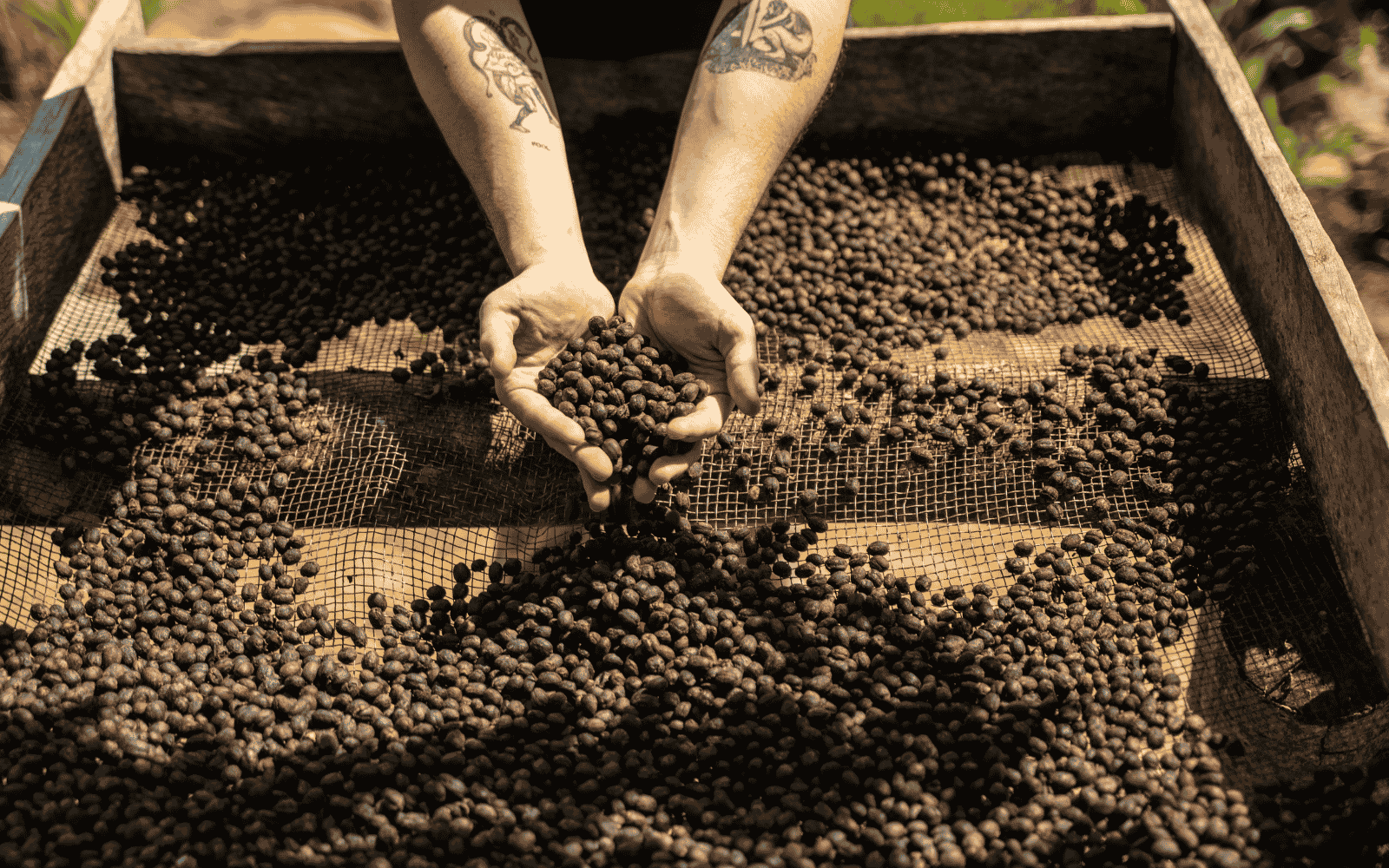
How is Colombian Specialty Coffee Evaluated
Colombian specialty coffee is evaluated through a standardized process called coffee cupping, where trained professionals analyze aroma, flavor, body, acidity, sweetness and balance to determine quality. This process allows producers, importers and roasters to measure coffee using the same global standards and identify whether a coffee meets specialty grade.
In specialty coffee, evaluation is not based on personal preference. It is based on a structured sensory system designed to reveal the true character of each coffee.
What Coffee Evaluation Means
Coffee evaluation is the process of measuring a coffee’s physical and sensory quality before it reaches the consumer.
For Colombian specialty coffee, evaluation begins long before brewing.
Professionals asses:
- Green coffee bean appearance
- Moisture content
- Bean density
- Processing consistency
- Aroma after grinding
- Flavor after brewing
The goal is to understand why a coffee tastes the way it does, not whether it tastes good. Because Colombia produces coffees from multiple growing regions, evaluation also helps identify how altitude, climate, soil and processing influence the final cup.
How Coffee Cupping Works
Coffee cupping is the industry standard method for evaluating coffee. During cupping, multiple coffees are prepared in identical conditions so each sample can be judged fairly.
The standard process includes:
- Grinding the coffee
- Smelling the dry grounds
- Adding hot water
- Breaking the crust
- Tasting the coffee
This repeated process allows each coffee to be judged under the same conditions.
How Coffee Is Scored
After tasting, each coffee receives a numerical score. Specialty coffee professionals score several attributes:
- Fragrance
- Aftertaste
- Flavor
- Acidity
- Balance
- Body
- Uniformity
- Sweetness
- Clean cup
- Overall impression
Each category receives a score that contributes to the final score. Coffee that scores 80 points or higher is considered specialty coffee. This scoring system creates a universal language for coffee quality around the world.
How Flavor Analysis Works
Flavor analysis is one of the most important parts of evaluating Colombian coffee. Evaluators identify the sensory profile of each coffee by evaluating sweetness, acidity, complexity and finish.
Common flavor notes in Colombian specialty coffee include:
- Red fruit
- Citrus
- Cane sugar
- Chocolate
- Honey
- Tropical fruit
- Floral notes
These flavors are naturally created by elevation, soil, climate, fermentation and drying methods. The purpose of flavor analysis is not simply to describe taste, but to understand the coffee’s origin and quality through the cup itself.
Why Colombian Coffee is Often Distinct
Colombian coffee is often evaluated differently because its regional diversity can produce highly distinct flavor profiles.
Higher elevation coffees:
- Brighter acidity
- Floral aroma
- Citrus notes
Lower elevation coffees:
- Chocolate notes
- Nutty sweetness
- Fuller body
Because of this diversity, cupping helps reveal what makes each Colombian lot unique rather than treating all coffees the same.
Why Consistency Matters
Evaluation is not only about finding exceptional coffee, it is also about consistency. Consumers need to know that a coffee tastes the same across harvests, shipments and roast batches.
Consistent evaluation helps:
- Producers improve quality
- Roasters source confidently
- Consumers trust what they buy
For specialty coffee brands, consistency is part of quality itself.
Why Vívolo Coffee Values Coffee Evaluation
At Vívolo Coffee, evaluation is essential to selecting coffee that reflects both craftsmanship and origin. Through sensory analysis and cupping, each coffee can be understood beyond basic tasting notes.
Evaluation helps Vívolo Coffee identify:
- Distinct regional character
- Processing precision
- Flavor clarity
- Cup balance Long-term consistency
This ensures that every coffee tells a clear story from farm to cup.