The Rich History of Colombian Coffee
Colombian coffee is more than a familiar name on a café menu. It is the result of mountain geography, rich farming traditions, national identity, and generations of people who turned Colombian coffee beans into one of the world’s most recognizable agricultural products. Understanding that history makes every cup feel less like a commodity and more like a story shaped by place, patience, and exceptional craft.
Why has Colombian coffee become such a lasting symbol?
Colombian coffee became a lasting symbol because it connects quality, culture, and country in a way few products do. Coffee arrived in Colombia centuries ago, expanded through farming communities, and eventually became tied to the image of the Colombian countryside itself.
UNESCO describes the Coffee Cultural Landscape of Colombia as a centenary example of people adapting to challenging Andean conditions, and it recognizes coffee tradition as one of the country’s most representative cultural symbols. That symbolism matters because coffee is not only grown in Colombia; it is lived there.
Farms, towns, mule paths, family routines, local festivals, and daily drinking habits all helped shape the reputation of Colombian coffee. For many drinkers, the name suggests smooth flavor and dependable quality. For many Colombians, it also represents work, resilience, hospitality, and regional pride.

The early roots of coffee in Colombia
Coffee did not originate in Colombia, but the crop found a natural home there. Historical accounts commonly trace the arrival of coffee seeds in Colombia to the 18th century, with Jesuit priests often associated with early planting efforts. A Colombian Coffee Growers Federation sustainability report notes that the industry’s origins go back to that century, when Jesuit priests brought seeds and planted them in the south around Popayán.
The crop grew slowly at first. Coffee needed farmers willing to experiment, land suited to cultivation, and routes that could connect mountain communities to trade. Over time, those ingredients came together. By the 19th century, commercial production began to develop more seriously, and coffee started to become part of Colombia’s broader economic transformation. WIPO notes that the first commercial production of coffee in Colombia began during the first half of the 19th century.
This gradual growth helped shape the character of Colombian coffee. Rather than being built only around vast estates, much of the country’s coffee culture became associated with small farms and family labor. That smallholder tradition influenced how coffee was picked, processed, and valued. It also helped explain why Colombian coffee developed a reputation rooted not just in volume, but in care.
Geography gives Colombian coffee its distinctive personality
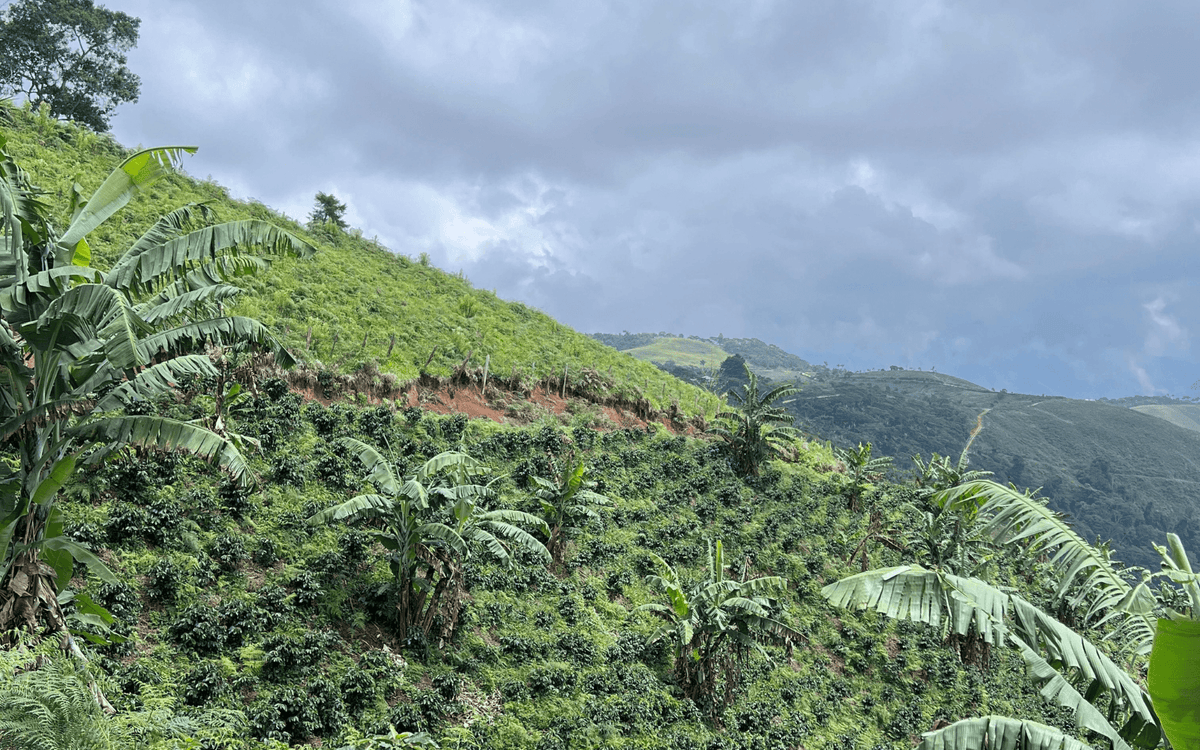
The flavor of coffee is deeply connected to place. In Colombia, mountains, altitude, rainfall, sunlight, soil, and microclimates all influence how coffee cherries mature. The Andes split into several ranges across the country, creating a variety of growing regions where Colombian coffee beans can develop different profiles while still sharing a recognizable identity.
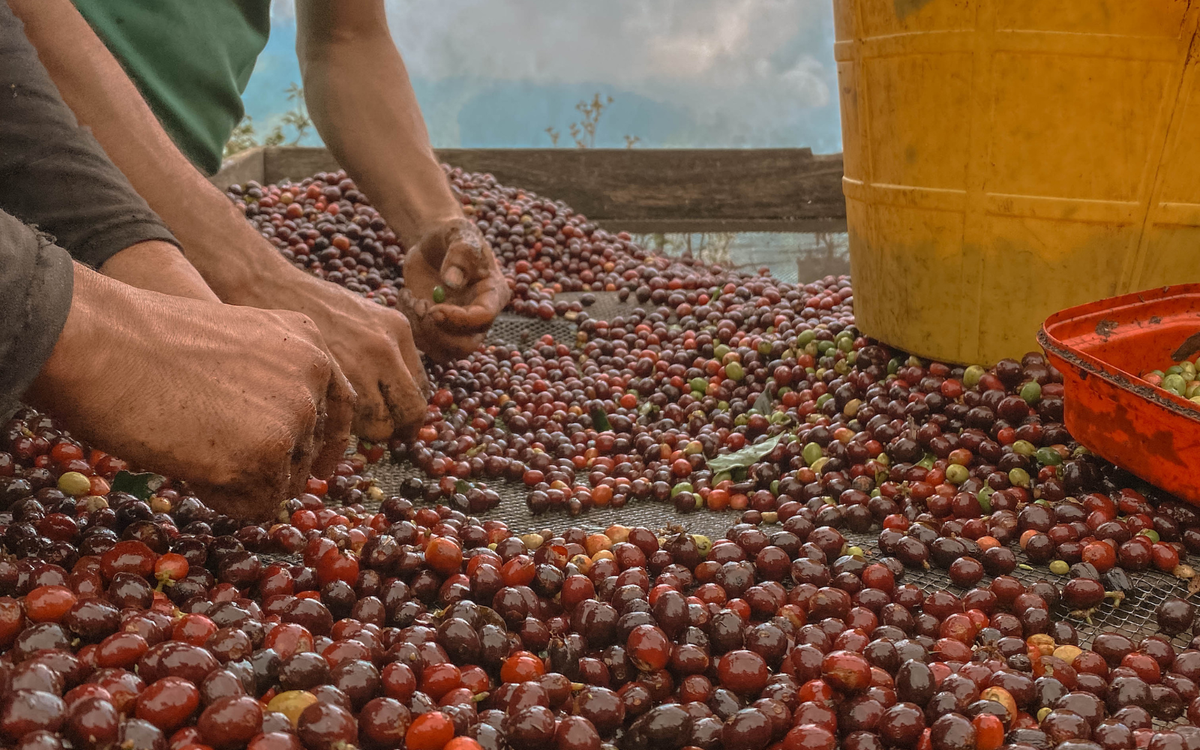
High-elevation farming often encourages slower cherry development, which can contribute to sweetness, acidity, and aromatic complexity. The steep slopes also make much of the work hands-on. In many areas, selective picking is more practical than machine harvesting, so ripe cherries can be chosen carefully rather than stripped all at once.
This is one reason Colombian coffee is often described as balanced and approachable. Depending on the region and roast, a cup may show notes that drinkers describe as caramel, citrus, chocolate, red fruit, nuts, or floral sweetness. Those tasting notes are not guaranteed in every bag, but they reflect the wide range that Colombian growing conditions can support.
The country’s geography also creates flexibility. Some regions harvest at different times of year, and local conditions can vary dramatically from one valley to the next. For buyers and roasters, this means Colombia can offer both consistency and variety. For everyday coffee drinkers, it means there is more than one way to enjoy Colombian coffee.

The rise of a national coffee identity
As coffee became more important, Colombia needed organization, quality standards, and international visibility. A major step came in 1927 with the creation of the Federación Nacional de Cafeteros de Colombia, also known as the Colombian Coffee Growers Federation. WIPO credits the Federation’s formation with bringing new dynamism to the industry and helping expand international markets for Colombian coffee.
The Federation helped promote coffee as a national product, but the larger achievement was cultural as much as commercial. Colombian coffee became easier for global consumers to recognize. Instead of seeing coffee only as an anonymous ingredient, buyers began to associate Colombia with origin, quality, and a particular style of cup.
That identity continued to grow through branding, export systems, and the work of growers who maintained a strong link between coffee and place. The result was powerful: Colombian coffee became one of the few origin names that even casual drinkers could recognize. People who may not know much about processing methods or altitude often still understand that “Colombian” means something in coffee.
What makes Colombian coffee beans different?
Colombian coffee beans stand out because they combine favorable growing conditions with a long tradition of careful cultivation and processing. The country is especially known for Arabica coffee, which is valued for its aroma, acidity, and sweetness when grown and handled well.
While flavor varies by region, farm, variety, processing method, and roast level, Colombian coffee is often appreciated for being clean, balanced, and versatile. Processing plays a major role. Washed processing has been common in Colombia, and it can highlight clarity and brightness in the cup. In a washed process, the fruit is removed before drying, which often lets the bean’s natural acidity and sweetness show more clearly. This does not mean every Colombian coffee tastes the same, but it helps explain why many drinkers associate it with a crisp, polished profile.
Freshness matters too
Even excellent beans can taste flat if they are old, poorly stored, or roasted without care. When choosing Colombian coffee, look beyond the country name and pay attention to practical details.
Useful buying clues include:
- Roast date: Fresher roasted coffee usually offers better aroma and livelier flavor.
- Region or farm information: Details such as Huila, Nariño, Tolima, Antioquia, Caldas, Quindío, or Risaralda can give clues about origin and style.
- Processing method: Washed coffees often taste clean and bright, while natural or honey-processed coffees may feel fruitier or fuller.
- Roast level: Light roasts may highlight acidity and fruit; medium roasts often balance sweetness and body; darker roasts bring more chocolatey, roasted notes.
- Grind size: Whole beans are best if you can grind at home, because ground coffee loses aroma faster.
These details help you choose coffee based on how you brew and what you enjoy, not just what looks familiar on the shelf.

Coffee landscapes became cultural heritage
Colombia’s coffee history is visible not only in export records, but also in landscapes and towns. The Coffee Cultural Landscape of Colombia was inscribed on the UNESCO World Heritage List in 2011. UNESCO identifies it as a region of farming landscapes and urban centers in the foothills of the western and central Andes, shaped by generations of coffee production.
This recognition is important because it treats coffee as part of a living cultural system. It is not only about plants in rows. It is about architecture, family farms, mountain settlements, production knowledge, and the relationship between people and difficult terrain. The landscape reflects how communities built a way of life around coffee while adapting to steep slopes and changing economic conditions.
For travelers, this has made Colombia’s coffee region especially meaningful. Visiting a coffee farm can reveal the full journey from seedling to cup: planting, harvesting, depulping, fermenting, washing, drying, roasting, grinding, and brewing. Even for people who never travel there, knowing this context adds depth to the drink. A cup of Colombian coffee becomes a connection to a specific landscape and the people who care for it.
From everyday drink to global favorite
One reason Colombian coffee has endured is that it works for many kinds of coffee drinkers. It can be approachable for beginners and still interesting for enthusiasts. A medium-roasted Colombian coffee can be smooth enough for a morning drip brew, while a lighter single-origin Colombian coffee may offer the complexity that specialty coffee fans enjoy. This flexibility helped Colombian coffee travel widely. It fits many brewing methods, including pour-over, drip machines, French press, AeroPress, cold brew, and espresso blends. The best method depends on the roast and grind, but the bean’s balanced reputation makes it easy to experiment.
If you are brewing Colombian coffee at home, we recommend starting with a simple approach:
- Use clean, fresh water. Water affects flavor more than many people expect.
- Grind right before brewing. A burr grinder gives more consistent results than a blade grinder.
- Match grind to method. Use medium grind for drip, medium-fine for pour-over, coarse for French press, and fine for espresso.
- Measure your coffee. A consistent ratio helps you adjust strength without guessing.
- Taste before adding extras. Try it black first, then decide whether milk or sweetener improves your cup.
Small adjustments can make a noticeable difference. If the coffee tastes sour, try a slightly finer grind or hotter water. If it tastes bitter, try a coarser grind or shorter brew time. Good Colombian coffee beans reward attention, but they do not require complicated rituals.

How should you choose Colombian coffee today?
Choose Colombian coffee by matching the bean to your taste, brewing method, and freshness expectations. A bag labeled simply “Colombian coffee” can be enjoyable, but a bag with more origin detail often gives you a clearer idea of what you are buying. It's why at Vívolo Coffee we include the harvest date, roast date, and detailed tasting notes on every bag.
If you like bright, fruit-forward cups, look for lighter roasts from high-altitude regions; if you prefer rounder, sweeter cups, a medium roast may be the safer everyday choice. The brand also matters, but not in a one-size-fits-all way.
Some shoppers search for broad terms like Colombian coffee brands because they want a trusted roaster, a specific bag style, or a local source with Colombian options. That kind of search can be useful, but the better question is whether the roaster shares enough information about sourcing, roast date, flavor profile, and recommended brew method.
When comparing bags, read the label carefully. A helpful label does not need to be overwhelming, but it should give you enough confidence to buy. Look for signs that the roaster understands the coffee and wants you to enjoy it at its best.
A practical checklist:
- Does the bag identify Colombia as the origin clearly?
- Does it mention a region, farm, cooperative, or producer group?
- Is there a roast date rather than only a best-by date?
- Are the tasting notes specific but believable?
- Does the roast level match how you brew?
- Are the beans whole if you have a grinder at home?
- Does the seller explain how the coffee was sourced or roasted?
You do not need every detail to enjoy a good cup. Still, the more transparent the bag is, the easier it is to choose with confidence.
Tradition and change continue to shape the cup
The history of Colombian coffee is rich because it is still being written. Growers continue to manage weather challenges, market pressure, plant health, and changing consumer tastes. At the same time, many producers and roasters are exploring new varieties, processing styles, and direct relationships that bring more attention to individual farms and regions.
This balance between tradition and innovation is part of what keeps Colombian coffee relevant. The classic profile remains beloved: smooth, balanced, aromatic, and easy to drink. But modern Colombian coffees can also surprise people with tropical fruit notes, floral aromatics, wine-like acidity, or deep sweetness, depending on how they are grown and processed.
For coffee drinkers, that means Colombia is not just a safe choice; it is a country worth exploring. You can enjoy a comforting everyday brew and still discover something new in the next bag. That combination is rare, and it explains why Colombian coffee continues to hold such a respected place in homes, cafés, and roasteries around the world.
A cup with history in every sip
Colombian coffee carries centuries of movement, labor, adaptation, and pride. From early plantings to small farms, from mountain landscapes to international recognition, its story is both agricultural and deeply human.
The next time you open a bag of Colombian coffee beans, take a moment to notice more than the aroma. You are tasting a tradition shaped by geography, community, and craft. Whether you prefer a bright pour-over, a smooth drip coffee, or a rich espresso blend,
Colombian coffee offers a simple pleasure with a long memory behind it. That is what makes it more than a morning habit; it is a flavorful link to one of the world’s most enduring coffee cultures.