Exploring Colombia's Coffee Culture
Colombian coffee is more than just a beverage; it's a cultural treasure. Its rich history and unique flavor have captivated coffee lovers worldwide.
The journey of Colombian coffee began in the 18th century. Jesuit priests introduced the first coffee plants to the region.
Colombia's diverse geography, with its high altitudes and volcanic soil, creates perfect conditions for coffee cultivation. This has led to the global recognition of Colombian coffee's quality.
The Coffee Cultural Landscape of Colombia is a UNESCO World Heritage site. It highlights the region's cultural and historical significance.
Join us as we explore the rich history of Colombian coffee. Discover its impact on culture, economy, and the global coffee scene.
The Origins of Colombian Coffee: A Journey Through Time
Colombian coffee's origin is a tale of dedication and resilience. Jesuit priests are credited with introducing the coffee plant to Colombia in the early 18th century.
Initially, coffee growing started slowly. However, its cultivation gained momentum by the mid-1800s. Coffee became a central part of Colombia's identity and economy.
Several factors contributed to coffee's success in Colombia. Ideal growing conditions, including climate and soil, were critical.
Coffee production quickly spread across the country. Regions like Santander, Antioquia, and Cundinamarca became important coffee-growing areas.
Here are key events from Colombian coffee history:
-
Early 18th century: Introduction by Jesuit priests.
-
Mid-19th century: Coffee expansion in Colombia.
-
1927: Establishment of the National Federation of Coffee Growers.
-
1980s: Juan Valdez becomes the symbol of Colombian coffee.
Despite challenges, coffee's story in Colombia is one of success. The coffee plant, Coffea arabica, thrives here. Its unique flavor profile now delights millions around the world.
Colombia’s Unique Coffee Geography and Regions
Colombia boasts a distinctive geography that offers perfect conditions for coffee cultivation. The country's diverse landscapes include high altitudes and volcanic soil, both crucial for growing coffee.
Three main regions dominate Colombian coffee production. These are the Coffee Triangle, Sierra Nevada, and Nariño. Each area offers unique microclimates, impacting the flavor profiles of the coffee.
The Coffee Triangle, or Eje Cafetero, is often considered the heart of Colombian coffee production. This area benefits from a consistent climate, making it ideal for coffee year-round.
Nariño offers high-altitude growing areas, which enhance the coffee's acidity and sweetness. Sierra Nevada, on the other hand, provides distinct conditions influenced by coastal and mountainous environments.
Key features of Colombia's coffee regions:
-
Coffee Triangle: Central location with stable climate
-
Sierra Nevada: Diverse microclimates, rich flavors
-
Nariño: High altitude, unique taste profile
Colombia's geography not only aids in cultivating high-quality coffee but also enriches its cultural landscape. These regions support a thriving coffee culture, intertwined with the traditions and daily lives of local communities.
The Coffee Cultural Landscape: UNESCO Heritage and Local Traditions
Colombia's Coffee Cultural Landscape is celebrated globally. It is recognized as a UNESCO World Heritage site, highlighting its exceptional value. The designation honors the area's unique mix of natural and cultural elements.
This landscape is not just about coffee farms. It represents centuries of coffee-growing tradition and the social fabric of the communities. It includes traditional farming techniques and local customs preserved through generations.
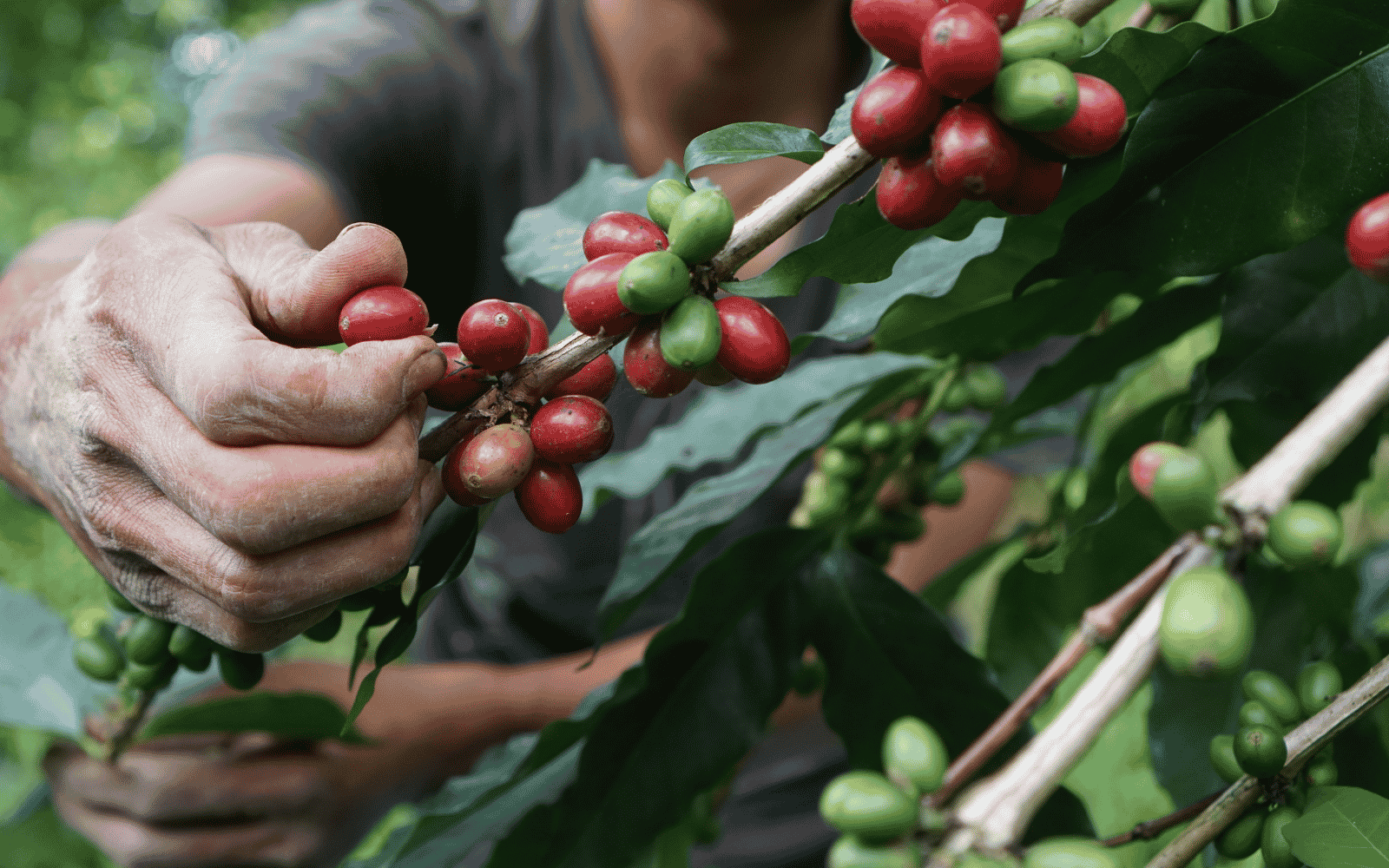
Local traditions are integral to Colombia's coffee culture. From hand-picking ripe coffee cherries to hosting vibrant coffee festivals, these customs shape the region's identity. They also enhance the authentic Colombian coffee experience for both visitors and locals alike.
Notable aspects of the Coffee Cultural Landscape:
-
Traditional Farming Techniques: Hand-picking, sustainable methods
-
Cultural Events: Coffee festivals, local celebrations
-
Heritage Sites: Historic farms and landscapes
The UNESCO designation showcases Colombia's commitment to preserving its coffee heritage. It supports the continual growth and recognition of this vital industry, ensuring its legacy endures.
The Role of Coffee in Colombian Society and Economy
Coffee is more than just a crop in Colombia; it's a cultural icon. Its influence permeates daily life, from morning rituals to social gatherings. Coffee offers a connection to the past, anchoring Colombians in their rich heritage.
Economically, coffee is crucial for Colombia. It supports over 500,000 families and plays a vital role in rural employment. The National Federation of Coffee Growers, established in 1927, champions the needs of coffee farmers, promoting their interests locally and abroad.
The coffee industry also boosts Colombia's standing on the global stage. Colombian coffee is exported to more than 90 countries, reinforcing its reputation for quality. This vast export network makes it a powerful contributor to the national economy.
Key societal and economic roles include:
-
Employment: Supports rural communities
-
Exports: Strengthens global market position
-
Cultural Significance: Influences art and tradition
Despite challenges like climate change, the coffee sector remains resilient. Colombia's dedication to quality and sustainability ensures its coffee continues to thrive. This ongoing commitment secures a promising future for both coffee growers and the nation.
Authentic Colombian Coffee: Cultivation, Harvest, and Processing
The journey of authentic Colombian coffee begins with its cultivation. Grown primarily on small farms, the coffee plants thrive in Colombia's lush landscapes. This environment, with its favorable altitudes and rich volcanic soils, is ideal for coffee production.
Farmers meticulously hand-pick the ripe coffee cherries. This labor-intensive process ensures only the best cherries make it to the next stage. Each cherry is selected at its peak, a hallmark of real Colombian coffee quality.
After harvesting, the cherries undergo processing to extract the beans. Traditional methods such as wet processing preserve the beans' inherent flavors. This method involves washing the beans to remove the pulp and is known for enhancing their unique taste profiles.
The processed beans are then dried, either naturally under the sun or using mechanical dryers. This crucial stage locks in the flavor, ensuring Colombian coffee retains its distinctive taste. The beans' balanced flavor profile, often with notes of caramel and nuts, delights coffee enthusiasts worldwide.
Key aspects of Colombian coffee production include:
-
Hand-Picking: Ensures highest quality
-
Wet Processing: Enhances flavor
-
Sun-Drying: Preserves taste
These careful cultivation and processing methods spotlight Colombian coffee's authenticity. Each cup tells a story of dedication and tradition, deeply rooted in Colombian culture.
The Global Impact of Real Colombian Coffee
Colombian coffee has a significant global footprint, renowned for its superior quality and unique flavor. It is exported to more than 90 countries, providing a taste of Colombia's rich cultural heritage worldwide. This extensive reach underscores its pivotal role in the international coffee market.
The National Federation of Coffee Growers of Colombia has played a critical role in promoting this global presence. By supporting farmers and ensuring high standards, they have cemented Colombian coffee's reputation as a premium product. Notably, Colombian coffee regularly wins international awards for excellence, further enhancing its status on the world stage.
The demand for real Colombian coffee drives economic benefits not only locally but globally. With its distinctive flavor and quality, it is a favorite among specialty coffee brands. As a result, it contributes significantly to the global coffee industry. Colombian coffee's influence can be seen through:
-
Global Demand: Sought-after in 90+ countries
-
Export Revenue: Boosts economies
-
Quality Recognition: Wins prestigious awards
The global impact of Colombian coffee is a testament to its enduring excellence and cultural richness. Each cup served around the world connects drinkers to Colombian traditions and the hard work of its farmers.
Coffee Culture: Festivals, Art, and Daily Life in Colombia
Coffee holds a special place in Colombian culture, woven into the fabric of daily life. It is not merely a drink but a symbol of hospitality and warmth. Sharing a cup of coffee is a cherished ritual that brings people together.
Festivals celebrating Colombian coffee are held throughout the country, offering a blend of tradition and modernity. These festivals, such as the National Coffee Festival, showcase music, dance, and vibrant local art. They reflect the deep roots coffee has in Colombian heritage and community life.
The coffee influence extends to Colombian art and literature, inspiring countless works. Artists and writers capture the essence of Colombian coffee culture, portraying the beauty and dedication behind every cup. This artistic expression highlights coffee’s role beyond just commerce.
Coffee is a central theme in Colombia’s daily routines. Whether enjoying a leisurely breakfast or hosting visitors, it is ever-present. This everyday presence reinforces its cultural significance, reminding Colombians of their rich heritage and pride in their unique coffee tradition.
-
Festivals: Celebrate traditions
-
Art and Literature: Inspire creations
-
Daily Rituals: Foster connections
Colombian coffee culture is a tapestry of celebrations, creativity, and shared experiences. It connects the past with the present, highlighting coffee's irreplaceable role in Colombian society.
Challenges, Innovation, and the Future of Colombian Coffee
Colombian coffee faces several challenges, including climate change and economic fluctuations. These factors impact yields and quality, threatening farmers' livelihoods. Nonetheless, the resilience and innovation of Colombian coffee growers remain steadfast.
Many farmers embrace sustainable practices to address environmental concerns. By adopting shade-grown and organic farming methods, they promote biodiversity and reduce environmental impact. These innovations are crucial for preserving the rich tradition of Colombian coffee.
The future of Colombian coffee is bright, with a focus on sustainability and quality. Continued investment in research and development helps improve crop yields and ensure high standards. Efforts to preserve the cultural heritage while adapting to modern demands highlight the industry's commitment to progress.
-
Challenges: Climate change, economic fluctuation
-
Innovations: Sustainable practices, organic methods
-
Future Focus: Research, quality, heritage preservation
Colombian coffee continues to evolve, balancing tradition with innovation. Its future is rooted in dedication to quality and environmental stewardship.
Preserving the Rich History of Colombian Coffee
The rich history of Colombian coffee reflects its cultural significance and global influence. This heritage is celebrated and preserved through dedication and innovation. By embracing sustainable practices and focusing on quality, Colombian coffee continues to thrive.
As coffee enthusiasts around the world savor each cup, the story of Colombian coffee unfolds with every sip. Its enduring legacy promises a future where tradition and progress harmoniously coexist.